
When to repair vs replace your car headlights is a question most drivers face eventually, usually around the time you’re driving at night and find it more challenging than normal. Your vehicle’s headlights work hard every day of the year, and constant sun exposure and general wear can leave the lenses looking cloudy or performing well below their best. The good news is that you have several options, and knowing what to look for helps you make the right choice rather than guessing.
The following guide walks you through common situations where a simple repair will get the job done. It also highlights situations where purchasing new headlights is the only path forward. Understanding the difference between these scenarios can help you keep your vehicle safe and reliable on the road.
How to Tell Your Headlights Need Attention
Headlights rarely fail all at once. Instead, they tend to send small signals over time that something is off. Catching these signals early can save you money and keep your nighttime visibility sharp.
Here are a few common signs to watch for:
- Lenses that look cloudy, hazy, or yellowed instead of clear
- Reduced brightness compared to how the headlights performed when new
- Moisture or fog collecting inside the housing
- Visible cracks, chips, or damage to the lens surface
- Flickering or dimming that seems to come and go
Cloudy or Yellowed Lenses
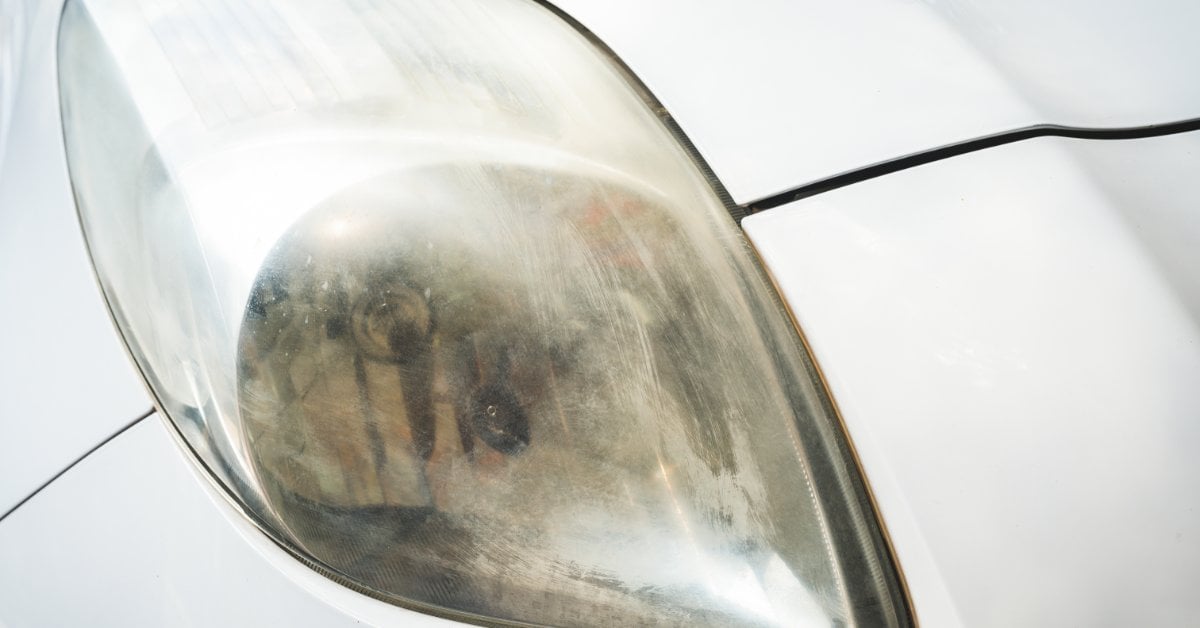
Cloudy headlights happen because the protective coating on the lens breaks down over years of UV exposure. This creates a dull, foggy look that scatters light rather than projecting it clearly down the road.
Cloudiness on its own rarely means the headlight has failed. It usually means the surface needs some care to restore clarity. If you notice this haze building gradually, it's your sign to investigate the problem and make the necessary repairs. No need to assume the worst and buy new headlights.
When Repair Is the Right Call
Many headlight issues can be fixed with a simple repair, especially if the housing is still solid and the wiring hasn’t been damaged. Most of the time, making a repair is easier on your budget and usually much quicker than replacing the whole assembly.
Use Cleaning and Restoration Kits
Headlight restoration kits work by removing the damaged outer layer of the lens and applying a fresh protective coating. This process can bring back much of the clarity and brightness that faded over the years.
Many drivers complete this project themselves over a weekend, while some prefer to let a shop handle it for a more professional finish. Either way, restoration is usually the first thing to try when cloudiness is the main concern.
Beyond restoration kits, a few other repair-friendly situations include:
- Loose wiring connections that just need to be reseated
- Minor condensation that clears once a seal is properly resealed
- Small chips that a sealant can smooth over before they spread
These fixes keep your existing headlights performing well without the cost of new parts. Taking care of small problems as they come up helps prevent bigger, more expensive repairs down the road and keeps your lights shining bright.
When Replacing Your Headlights Makes More Sense
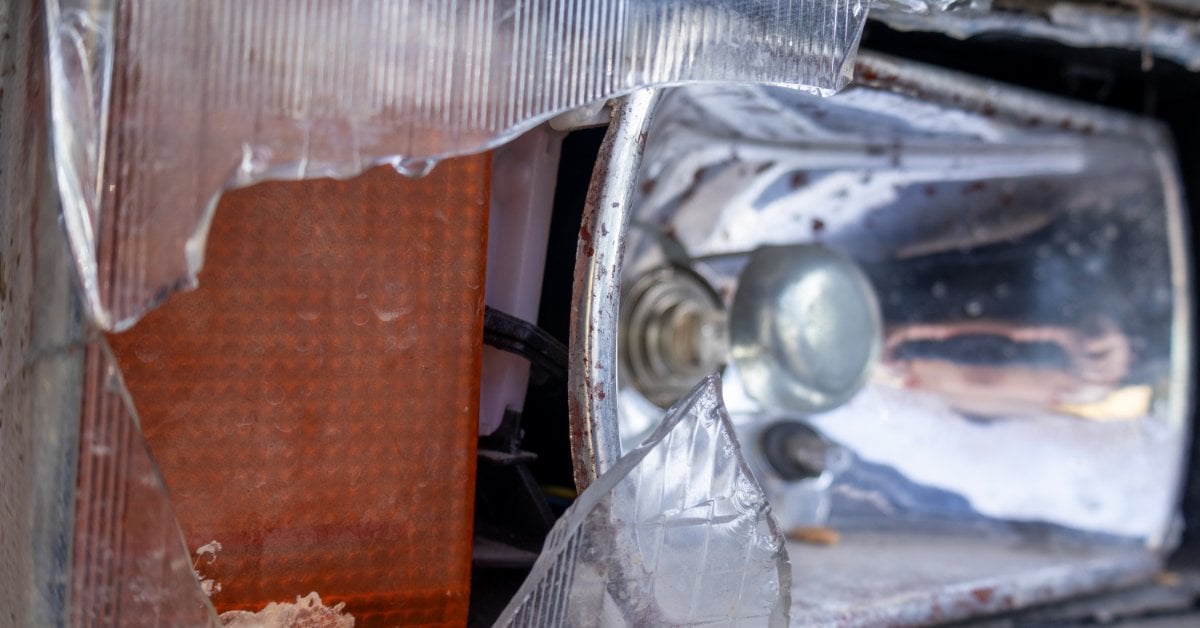
Sometimes a headlight has moved past the point where cleaning or resealing will help. Catching these signs early on saves you from unnecessary frustration and wasted effort. In some cases, replacing the entire assembly is simply the safest and most reliable way to restore full headlight performance.
Cracks, Water Damage, and Aging Components
A cracked housing allows water and debris to enter regularly, and that moisture can damage the electrical components over time. Once water has been sitting inside a headlight for a while, the wiring and bulb socket often suffer corrosion that no amount of cleaning will reverse.
Similarly, older headlight assemblies sometimes reach a point where the internal reflector coating has worn away. A quick restoration cannot restore the brightness the housing once had.
Age plays a role here, too. Headlights on vehicles ten years or older have typically absorbed a decade of sun and weather, and the plastic becomes more brittle with time. In these cases, a full replacement gives you a fresh, reliable housing, helping you avoid the risk of repeatedly patching an aging one.
Getting a replacement is also a good idea if you want to use a different bulb type that your old headlight housing can’t support. And if your headlights were damaged in a collision, a new assembly is usually your best bet.
Upgrading to a new housing gives you peace of mind that your lights will work properly and last longer. Sometimes, investing in a new assembly now can save you the hassle of repeated repairs and help you avoid unexpected problems down the road.
Making the Right Decision for Your Vehicle
Choosing between repair and replacement is easier than it sounds. Take a minute to examine your headlights. See if the cloudiness is only on the surface or if you spot cracks or other damage. A simple check can help you make the right decision for your car.
If the lens looks hazy but the housing itself feels solid, restoration is worth trying first. If you notice cracks, persistent moisture, or corrosion inside the housing, replacement will serve you better in the long run and keep your drive safer at night.
No matter which option you choose, purchasing quality parts is essential. WheelerShip is a trusted online wheel-and-tire store that offers high-quality headlight assemblies and other vehicle components.
It’s a convenient, reliable place to get the parts you need to keep your vehicle running smoothly and looking sharp. Shopping at an established online wheel retailer means you can trust the quality and find the right fit for your vehicle with ease.
Knowing when to repair vs replace your car headlights ultimately comes down to responding to the signs your vehicle gives you. Whether you’re clearing up a foggy lens or installing a new headlight, taking care of the problem now means brighter, safer drives at night for years to come.