
A clean set of white wall tires can change the character of a car, especially when the rest of the vehicle has a vintage or custom-inspired look. These distinctive tires have a band or section of white rubber visible along the sidewall. Throughout history, they have appeared on everything from luxury automobiles to carefully restored classics, and they still appeal to drivers who want a period-specific style. This guide explores what makes white wall tires distinctive and the care they require.
What Are White Wall Tires?
White wall tires use contrasting rubber compounds to create the lighter section visible on the sidewall. The white rubber remains exposed while the surrounding portion of the tire is black. Depending on the design, that white area may cover a large part of the sidewall or appear as a narrow stripe. Modern manufacturing makes it possible to offer this appearance across a range of tire sizes and configurations.
Wide white walls are closely associated with earlier eras of automotive styling. As vehicle designs changed, narrower white bands became more common and offered a subtler look. Choosing a width that fits the vehicle's era and wheel design can create a more cohesive appearance.
The History of White Wall Tires
Early tire construction didn't always produce the uniformly black sidewalls drivers are familiar with today. Changes in automotive design gradually turned the white sidewall from a manufacturing characteristic into an intentional styling feature. Over time, white walls became associated with specific vehicle classes, design trends, and periods in automotive history.
Several developments influenced how white wall tires evolved:
- Early tire construction: Light-colored natural rubber contributed to the appearance of early tires before black rubber became the industry standard.
- Contrasting sidewalls: Tire designs later combined black tread areas with exposed white rubber along the sidewall.
- Luxury styling: Wide white walls became closely associated with upscale vehicles and polished exterior design.
- Narrower designs: As vehicle styling changed, slimmer white bands became a more understated alternative.
- Classic-car interest: Restoration and collector communities have continued to support demand for period-inspired white wall designs.
Why White Wall Tires Became Popular
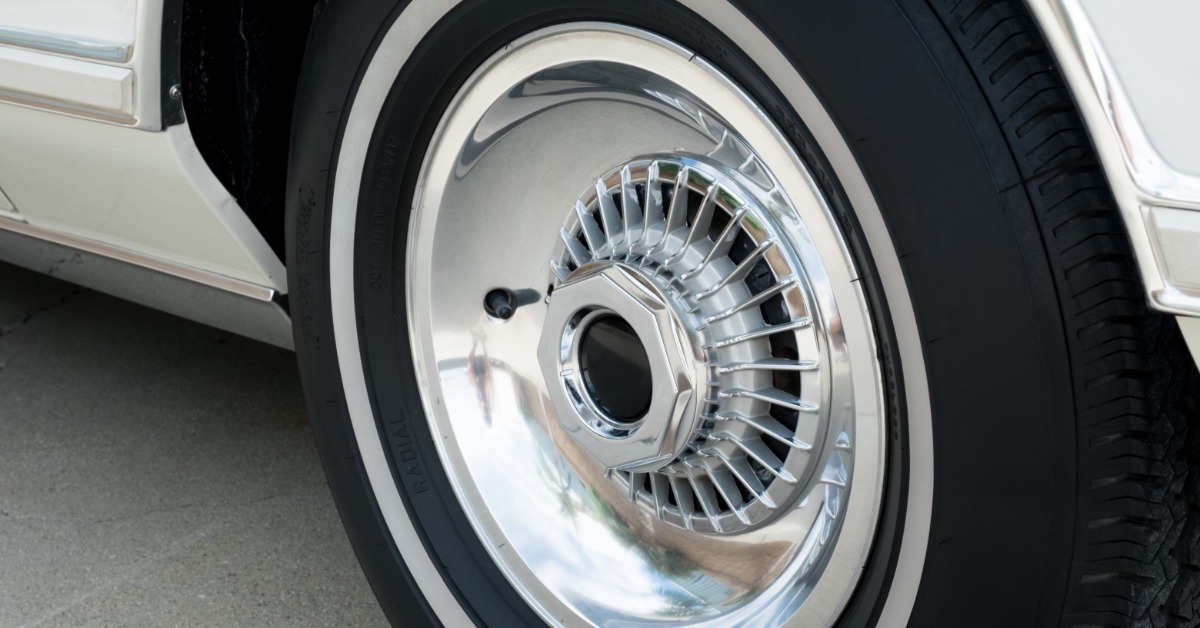
White walls eventually became more than a byproduct of tire construction. Their contrast against dark rubber and polished wheels gave vehicles a distinctive appearance that worked especially well with the styling trends of the early to mid-20th century.
Complementing Chrome and Wheel Details
White walls pair especially well with chrome hubcaps, polished wheel covers, and bright exterior trim because each element reinforces the others visually. The white band creates separation between the wheel and the black tire, making decorative wheel details stand out more clearly. On vehicles with substantial chrome accents, white walls can also create a more balanced look by carrying that brightness down to the road. This effect is one reason they became such a recognizable part of luxury and classic-car styling.
Balancing Body Lines and Proportions
The width of a white wall can also influence how people perceive a vehicle's proportions. Wider bands can complement large fenders, sweeping body lines, and substantial wheel openings, while narrower stripes tend to suit cleaner or more restrained designs. A well-matched white wall can make the wheels look more integrated with the body rather than appearing like a separate design element.
Choosing White Walls for Your Car
Choosing white wall tires starts with finding the right balance between appearance and fit. Your vehicle's model year, wheel size, body design, and your driving needs can all influence which option makes the most sense. Once you've found the right set, shop with WheelerShip for tires with free shipping.
Tire Size and Compatibility
Start by checking the tire size recommended for your vehicle. Make sure the tire width, aspect ratio, and wheel diameter match your setup. You should also confirm that the tire can support the vehicle's load requirements. If your car has modified wheels or other non-original parts, take those changes into account before choosing a tire.
Style Versus Everyday Use
A show-focused restoration may call for a more period-correct look than a car that's driven regularly. For everyday use, balance the white wall design you want with ride quality, durability, and performance needs. The width of the white band also affects the overall look, whether you want something historically accurate, subtly retro, or more customized.
How To Clean White Wall Tires
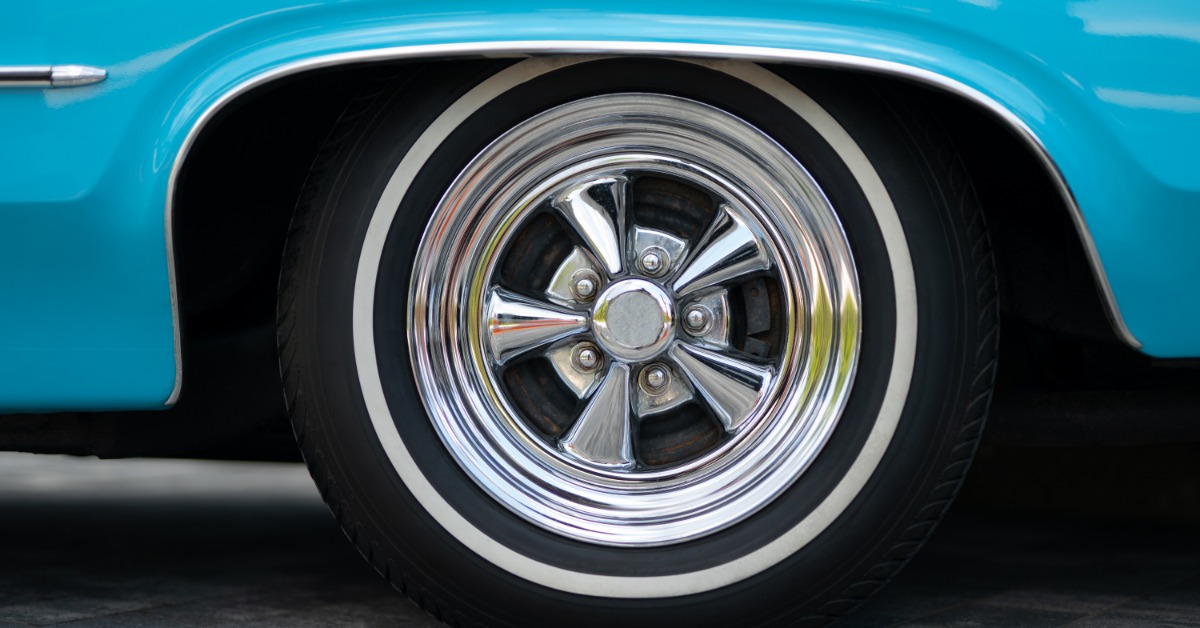
White rubber tends to show road film, brake dust, grime, and discoloration sooner than a black sidewall. Regular cleaning can preserve the sharp contrast that gives white walls their distinctive appearance without requiring overly aggressive cleaning.
Start with a cleaner intended for automotive tires or rubber, and follow the product's directions. A soft or moderately firm brush can loosen grime from the white section without unnecessarily scraping the surface. After scrubbing, rinse the tire thoroughly so loosened dirt and cleaner residue don't dry onto the rubber. It's also best to avoid harsh chemicals or abrasive tools unless the tire manufacturer specifically indicates that they're safe.
Maintaining White Wall Tires
Keeping white walls attractive involves more than cleaning the visible surface. Routine tire care should also include inflation checks, wear inspections, and sensible storage practices, just as it would with conventional tires.
To maintain white wall tires, you should:
- • Check tire pressure regularly to support even wear, handling, and overall tire performance.
- • Inspect the tread and sidewalls for cracks, cuts, bulges, or uneven wear that could indicate a problem.
- • Clean dirt and grime before buildup becomes harder to remove or causes visible discoloration.
- • Store tires away from excessive moisture, contaminants, and harsh environmental conditions whenever possible.
- • Follow the tire and vehicle manufacturer's recommendations for rotation, inflation, inspection, and replacement.
White wall tires have a rich history tied to classic motoring and changing automotive design. Their iconic style adds contrast and character, especially when paired with period-correct wheels, chrome, and body lines. Proper care keeps that signature look from becoming dull or discolored over time. When chosen thoughtfully, white wall tires can become a finishing detail that brings the whole vehicle together.