
If you’ve ever wondered how old tires seem to multiply in the garage, you’re not alone. Maybe you just replaced a worn-out set or finally tossed that leaky spare, and now you have a pile of rubber that needs a new home.
The good news is that there are three tire disposal options every driver should know that make cleanup both easy and responsible. Choosing the right way to get rid of old tires frees up space around your home and helps you avoid complications with local waste compliance.
Why Proper Tire Disposal Matters
Most people assume tires just disappear after a tire change. The shop handles it, right? Sometimes, yes. But if you buy tires online and handle the installation yourself, that responsibility falls squarely on you.
Improper disposal carries real consequences. Many municipalities treat tires as regulated waste. Dumping them illegally can result in fines, and stockpiled tires attract mosquitoes and rodents by trapping standing water. Beyond the legal and health concerns, old rubber takes centuries to break down in a landfill. That's a long time for a set of all-seasons to stick around.
Tires also pose a fire hazard when improperly stored. A tire pile that catches fire burns hot, produces thick black smoke, and can release toxic chemicals into the surrounding air and soil. Some states require licensed contractors to remediate tire fire sites. That's a situation worth avoiding entirely.
The good news: you have solid, accessible options. No matter your situation, there’s a practical solution that fits your needs and helps you dispose of old tires properly.
Local Laws Can Catch You Off Guard

Before you do anything with your old tires, spend two minutes checking your local regulations. Some counties limit the number of tires you can drop off at a recycling facility per visit. Others require you to pay a small fee per tire. A handful of municipalities have banned residents from leaving tires at the curb for bulk trash pickup, even during designated collection weeks.
Knowing this up front saves you a wasted trip and a headache. A quick call to your local waste management office or a few minutes on their website will answer most questions before you load up your truck.
Option 1: Retailer and Shop Take-Back Programs
This is the path of least resistance for most drivers. Many tire retailers and auto shops accept old tires when you buy or bring in new ones. Some charge a small disposal fee, typically a few dollars per tire, while others fold it into the service cost.
If you bought your tires locally, just ask at the counter. Most shops have a recycling arrangement in place and will take your old set without a fuss. National retailers like Discount Tire, Firestone, and NTB participate in take-back programs as a standard part of their service model.
Keep in mind that not every shop accepts tires from outside their own sales. Some will only take back tires they originally sold you. If you're walking in with a set from a competitor, make sure to call ahead to confirm the policy before you make the trip.
What to Expect at Drop-Off
If you are bringing in your used tires on your own, the shop usually just wants the rubber. No rims, no wheel weights, and no mount hardware. Strip those off beforehand if you're bringing bare tires. The staff will add them to their collection area, and a recycling vendor picks them up on a regular schedule.
Most shops don't charge for tires they originally sold and mounted. Walk-in disposal fees typically run between two and five dollars per passenger tire. Truck tires, oversized off-road tires, and specialty sizes may cost more due to weight and handling requirements.
Option 2: Municipal Recycling Events and Drop-Off Sites
Cities and counties across the country run periodic tire collection events, especially in spring and fall. These are free or low-cost and designed for exactly this situation. Search your county's name plus "tire recycling event," and you'll likely find something scheduled within the next few weeks.
Some areas also maintain permanent drop-off sites at waste management facilities. These facilities accept tires year-round, though they may cap the number you can bring in per visit.
Here's a quick look at what to bring to a municipal tire drop-off:
- Proof of residency (some locations require it)
- Cash or card for any applicable fee
- Tires off the rim (check in advance, as policies vary)
- A vehicle large enough to transport your tires safely
Find Events Through Your County or City’s Waste Management Website
Your county or city’s waste management website is the fastest way to find upcoming collection dates and drop-off locations. Many list them in a searchable database by zip code. Some states, such as California and Washington, have statewide programs with an extensive list of facilities. If you can't find what you need online, a quick call to your local public works department will point you in the right direction.
Option 3: Tire Recycling Facilities
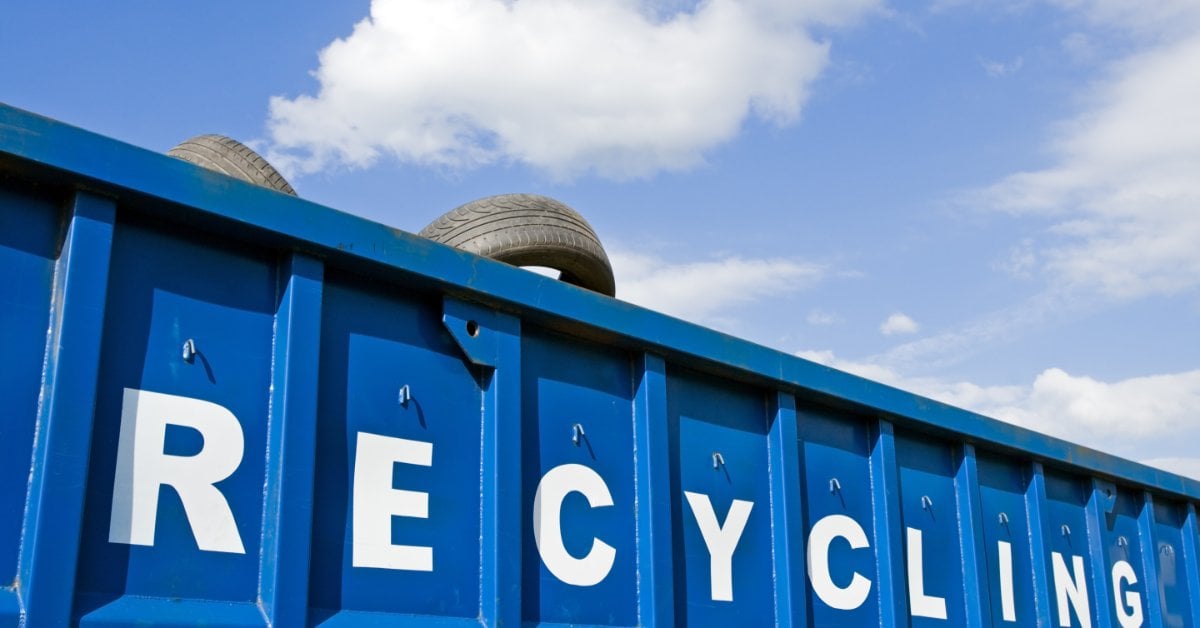
Dedicated tire recycling facilities accept used tires and process them into crumb rubber, mulch, and fuel-derived material. These facilities operate independently from municipal programs and often accept tires in larger quantities without the per-visit caps you'll sometimes find at county drop-off sites.
This option works well if you've got a stack of tires from a fleet, a shop cleanout, or years of deferred disposal. Check Earth911 or your state's environmental agency website for facilities near you.
Fees vary by facility and tire size. Passenger car tires typically run a dollar or two each, while truck and specialty tires cost more due to their weight and size. Some facilities offer volume discounts to commercial customers who regularly drop off large quantities.
Beyond the environmental and logistical benefits, recycling facilities give old tires a real second life. Crumb rubber is used in playground surfaces, athletic track materials, rubberized asphalt, and other specialized materials. Processed tire material also fuels certain industrial kilns as a substitute for coal.
Finishing Strong: Tire Disposal Made Simple
Getting rid of old tires doesn’t have to be complicated or stressful. These three tire disposal options every driver should know will make the process simple and straightforward.
By choosing the method that works best for you, you’ll keep your garage clutter-free and your neighborhood looking its best.
When it is time for a fresh set, WheelerShip makes the process simple. Browse our tire selection to find the right match for your ride and get back on the road.