
Your brake rotors work hard on every single drive. They absorb intense heat and friction to bring your vehicle to a safe, controlled stop, and over time, that continuous wear begins to affect their performance and reliability.
Catching rotor problems early can save you from more expensive repairs and keep you safer on the road. That's exactly why we put together the top five signs it’s time to replace your brake rotors. Whether you're a newer car owner or have years of driving experience, recognizing these warning signs gives you the chance to take care of your brakes before a small issue becomes a far more costly problem.
1. You Hear Squealing or Grinding Noises
One of the most recognizable warning signs of worn brake rotors is an unusual noise that comes from your wheels during braking. When you press the brake pedal and hear a persistent, high-pitched squeal or a deep grinding sound, your braking system is sending a clear signal that something needs attention. Squealing often points to worn brake pads rubbing against the rotor surface as the pad material wears thin.
A grinding noise typically indicates that metal is making direct contact with metal, which can quickly damage your rotors if left unaddressed. When you address these noises promptly, you tend to keep repair costs more manageable.
Waiting too long allows the damage to spread to other parts of the braking system. A quick inspection from a trusted mechanic can confirm the source of the noise and help you plan the right next step.
2. You Feel Vibration When Braking

A vibrating or pulsating sensation in the brake pedal is a strong indicator that your rotors need attention. This feeling typically develops when rotors become warped from repeated cycles of intense heat and gradual cooling during regular use.
Each time you brake hard, your rotors absorb a burst of intense heat. Over many miles, that repeated stress causes some rotors to develop a slightly uneven surface. When that happens, your brake pads struggle to maintain consistent contact with the rotor, which produces that pulsating feedback under your foot.
In some cases, you might feel the vibration traveling through your steering wheel as you slow down at higher speeds. Occasional vibration on wet roads often stems from surface moisture or light rust, both of which clear up quickly. But if you feel pulsation or shaking every time you brake, regardless of road conditions or speed, your rotors likely need to be replaced.
3. Your Vehicle Takes Longer to Stop
A brake pedal that feels soft or a car that drifts past your intended stopping point are two signs that your rotors may have worn down too far to generate consistent friction. You might notice that your car takes longer to come to a complete stop, or that the brake pedal feels softer than usual when you apply steady pressure.
Because these changes develop gradually over thousands of miles, many drivers adjust to them without realizing it. If you recently noticed that you press the pedal closer to the floor to stop at a familiar intersection, or that your car rolls a few extra feet past your usual stopping point, your rotors deserve a closer look.
Scheduling an inspection sooner rather than later keeps the situation from escalating and gives you greater peace of mind on the road. If your rotors are left unchecked, heat damage can cause them to develop hairline cracks, compromising braking power.
4. You Notice Visible Grooves or Scoring on the Rotor
A quick look through your wheel spokes can tell you a lot about the condition of your brake rotors between service appointments. Crouch down beside your wheel and peer through the spokes. If you spot deep grooves or heavy scoring on the rotor face, wear has likely progressed to the point where a mechanic should take a closer look.
Some surface rust is perfectly normal, especially after your car sits through a stretch of rainy or humid weather. That thin rust layer usually disappears within the first few stops as your pads clear it away. Deep channels in the rotor face are a separate concern. A rotor with that kind of damage cannot deliver the steady friction your brakes need to stop the car consistently.
While you inspect your rotors, take a moment to check your front and rear brake pads, as well. Pads and rotors work as a pair and often wear down at similar rates, so catching both issues in one inspection saves you an extra trip to the shop.
5. Your Rotors Are Below the Minimum Thickness
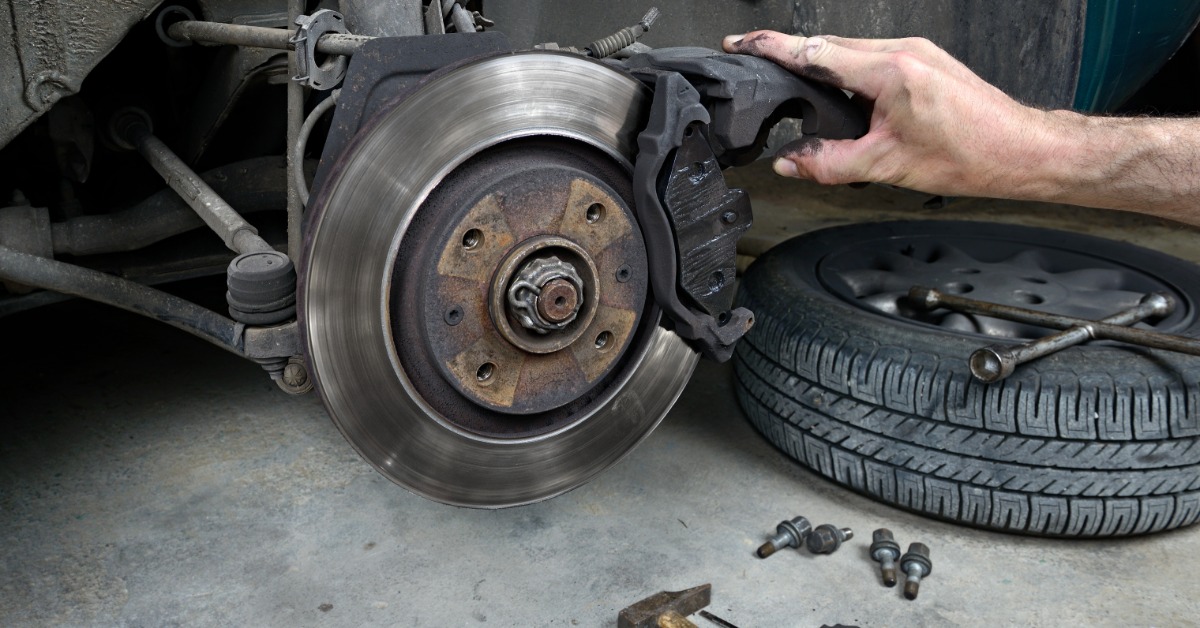
Each brake rotor has a minimum thickness rating, and once it wears past that point, the rotor loses its ability to stop your car reliably. That threshold isn't something you can judge by eye, so a mechanic needs to measure it with a precision tool called a micrometer. Regular brake inspections exist partly for this reason.
Here are a few key points about rotor thickness worth knowing:
- • Rotors that fall below the minimum thickness overheat more easily under heavy or repeated braking.
- • Thin rotors are more susceptible to warping, which leads to the pedal vibration described above.
- • Worn-down rotors can place additional stress on other components within your braking system.
- • Your vehicle's owner manual lists the manufacturer's recommended service intervals for brake inspections.
- • A qualified mechanic can measure rotor thickness quickly as part of a routine brake check.
A rotor measurement gives you a clear, factual basis for deciding when to freshen up your braking system instead of relying on guesswork. Pairing that number with a visual check of your pads and rotors gives you a full picture of your brake health.
Stay Ahead of Brake and Rotor Wear
Your brakes protect you on every drive, and recognizing the warning signs early puts you in a much stronger position to maintain them properly. Whether you've noticed an unusual noise, a vibrating pedal, longer stopping distances, visible rotor damage, or concerns about thickness, each of these signals points toward the same conclusion: take action before the problem grows.
Now that you know the top five signs it’s time to replace your brake rotors, you can take charge of your brake maintenance and determine your next steps. At WheelerShip, we want to help you care for your vehicle and outfit it with quality parts so every drive stays smooth and safe. Browse our inventory today and give your car the attention it deserves.