
When drivers compare semi-metallic vs. ceramic brake pads, they want clear answers that help them choose the right option for their vehicle. The right brake pads help you maintain stopping power, reduce noise, and care for your wheels over time.
At WheelerShip, we understand how important it feels to outfit your vehicle with dependable parts that support safe driving. This guide breaks down the differences between semi-metallic and ceramic brake pads so that you can choose the option that best suits your vehicle and driving style.
Understanding How Brake Pads Work
Brake pads create friction against your vehicle’s brake rotors. That friction slows your wheels and brings your car to a stop. Every time you press the brake pedal, your pads press against the rotor surface and generate heat. The material inside the pad determines how it handles that heat, how much dust it produces, and how long it lasts.
Brake pad wear is a normal part of vehicle maintenance, and regularly checking your pads can help prevent unexpected brake problems on the road. Understanding the relationship between the pad material and rotor condition will also help you maximize the lifespan and effectiveness of your braking system.
Manufacturers design semi-metallic and ceramic brake pads with different materials to meet different driving needs. Your driving style, vehicle type, and local road conditions all influence which option works best.
What Are Semi-Metallic Brake Pads?

Semi-metallic brake pads contain a mix of metal fibers, such as steel, copper, or iron, combined with friction modifiers and bonding agents. The metal content usually ranges from 30% to 65%, which gives these pads strong durability and good heat transfer.
Drivers who tow heavy loads or drive in hilly areas often prefer semi-metallic pads. The metal content helps them handle high temperatures without losing braking strength.
Pros of Semi-Metallic Brake Pads
Semi-metallic pads offer several advantages:
- Strong braking performance, especially at higher speeds
- Reliable heat dissipation during demanding driving
- Durable construction that handles frequent braking
- Often costs less than ceramic options
These qualities make them a practical choice for trucks, SUVs, and performance vehicles. Their robust construction enables them to handle the demands of frequent braking and varied driving conditions.
Cons of Semi-Metallic Brake Pads
Semi-metallic pads also come with trade-offs. The metal fibers can create more brake dust, which may settle on your rims and require frequent cleaning.
They also tend to produce more noise, especially in colder weather. Some drivers notice increased rotor wear over time due to the harder material. Additionally, semi-metallic pads may require a longer break-in period to achieve optimal performance compared to other types.
If you want to clean up the look of your wheels and reduce maintenance, consider these factors. The type of brake pad you choose can directly impact how often your wheels require cleaning and the amount of brake dust you’ll encounter. Evaluating your driving habits and the local climate will help you select a brake pad that minimizes maintenance and delivers reliable performance.
What Are Ceramic Brake Pads?
Ceramic brake pads use a dense ceramic material blended with fine copper fibers. Manufacturers design them to deliver smooth, consistent braking while producing less visible dust.
Many daily drivers choose ceramic pads because they support quiet operation and help maintain a cleaner appearance around the wheels. Ceramic pads also tend to withstand temperature fluctuations well, providing stable performance during both hot summers and cold winters.
Their composition enables them to resist wear from typical city traffic, making them a solid choice for drivers seeking long-term reliability. These pads suit sedans, crossovers, and commuter vehicles for everyday driving.
Pros of Ceramic Brake Pads
Ceramic brake pads offer benefits that appeal to many drivers:
- Quiet braking with minimal squealing
- Low dust production helps keep rims cleaner
- Smooth and consistent stopping performance
- Longer lifespan under typical driving conditions
Drivers who want to care for their wheels and reduce cleaning time often gravitate toward ceramic pads. Ceramic pads generate less abrasive dust, helping protect the finish of alloy and painted rims over the long term.
If you have high-end or specialty wheels, this dust reduction can help keep them looking newer for longer. Not having to clean brake dust as often makes it easier to preserve your wheels’ finish and overall value.
Cons of Ceramic Brake Pads
Ceramic brake pads usually cost more upfront. They may not handle extreme heat as effectively as semi-metallic pads during aggressive driving or heavy towing. In very cold climates, they can feel slightly less responsive until they warm up.
Some drivers also find that ceramic pads take longer to bed in, requiring a break-in period before delivering their best performance. While their durability is generally excellent, repeated exposure to highly abrasive conditions or track-level driving can shorten their lifespan. Drivers who push their vehicles hard may prefer a more heat-resistant material.
Choosing the Right Brake Pads for Your Vehicle
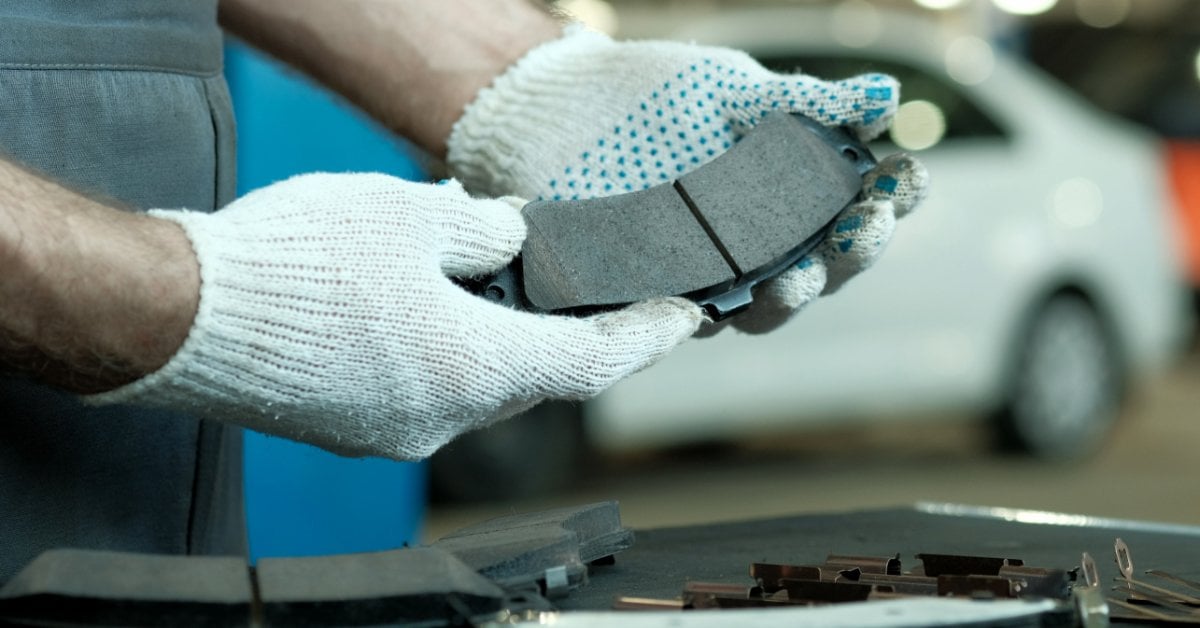
Your choice depends on how and where you drive. Daily commuters who value quiet stops and cleaner rims often prefer ceramic pads. Drivers who demand strong braking under heavy loads may lean toward semi-metallic options.
Consider these factors before you decide:
- Your typical driving environment (city, highway, mountains)
- Whether you tow or haul heavy cargo
- Your tolerance for brake dust and noise
- Your budget for parts and maintenance
Evaluate your driving style, budget, and maintenance preferences to determine which option best suits your vehicle. With the right brake pads in place, you can maintain reliable stopping power and enjoy a smoother driving experience. Explore WheelerShip’s selection of quality replacement wheels and rims to freshen up your vehicle’s look and keep it road-ready.
Protecting Your Wheels and Rims
Brake dust plays a bigger role than many drivers realize, influencing both the appearance and the long-term health of your wheels. Excess dust can cling to your rims and require frequent cleaning to maintain their finish, while over time, it can contribute to pitting or staining on metal surfaces.
Ceramic pads typically produce finer, lighter-colored dust that doesn't stick as aggressively, making cleaning less of a chore. In contrast, semi-metallic pads can leave behind darker, heavier dust that becomes more noticeable on lighter-colored wheels and may require more effort to remove.
At WheelerShip, we help drivers freshen up their vehicles with replacement rims and wheels that fit popular makes and models. Choosing the right brake pad material helps you care for those wheels and maintain their look over time. When you pair quality wheels with brake pads that match your driving habits, you create a balanced setup that supports both performance and appearance.
Making a Confident Decision
Drivers who review the pros and cons of semi-metallic and ceramic brake pads gain the insight they need to make an informed choice. Semi-metallic pads deliver strong performance and durability for demanding conditions, while ceramic pads offer quiet operation and cleaner wheels for everyday driving.
Quality aftermarket brake pads from WheelerShip let you replace worn components with dependable alternatives that meet your driving needs. Always confirm compatibility with your vehicle’s make and model before you purchase new pads.