
Your tires tell a story every time they hit the road. The wear patterns they develop reveal important details about your vehicle's health, driving habits, and maintenance needs. Understanding these patterns helps you catch problems early, extend tire life, and maintain safe driving conditions.
At WheelerShip, we believe informed car owners make the best decisions for their vehicles. This guide explores four common tire wear patterns and how to correct them, giving you the knowledge to keep your vehicle running smoothly and safely for years to come.
1. Center Wear: The Overinflation Problem
Center wear shows up as tread loss in the middle of your tire, while the edges remain mostly untouched. This pattern develops when you overinflate your tires beyond the manufacturer's recommended PSI. Excess air pressure causes the tire's center to bulge outward, increasing contact with the road surface. The result is faster wear in the middle section and reduced traction overall.
You can correct this issue by checking your tire pressure regularly with a reliable gauge and adjusting it to match the specifications listed in your owner's manual or on the driver's side door jamb. Most passenger vehicles require between 30 and 35 PSI, but you should always follow your manufacturer's guidelines. Check your tire pressure at least once a month and before long trips, preferably when the tires are cold for the most accurate reading.
2. Edge Wear: The Underinflation Issue
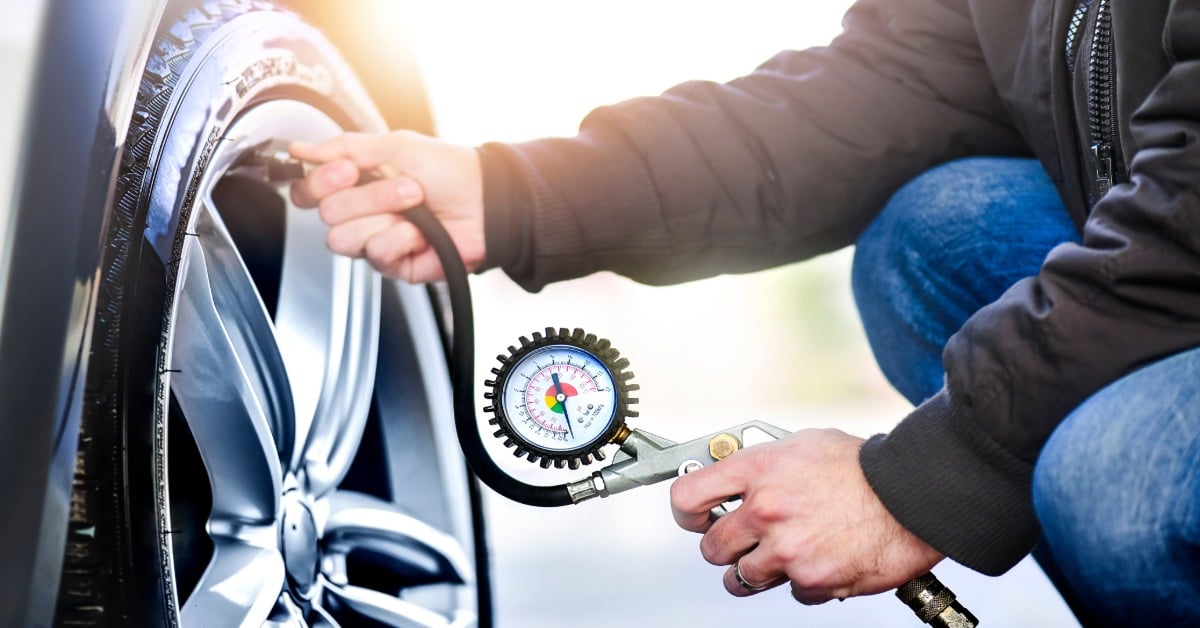
Edge wear shows up as accelerated tread loss on both outer edges of your tire while the center remains deeper. This pattern indicates that your tires don't have enough air pressure. Underinflated tires cause the sidewalls to flex excessively, forcing the outer edges to bear more weight and friction than they should.
Beyond uneven wear, underinflation reduces fuel efficiency, creates excessive heat buildup, and increases the risk of tire failure. It also shortens the lifespan of your tire’s internal structure, which can lead to sidewall cracking or blowouts on longer trips.
To fix edge wear, inflate your tires to the correct pressure and keep it consistent. Set a monthly reminder to check all four tires, including your spare. Don’t forget, temperature changes significantly affect tire pressure.
Tires lose about one PSI for every 10-degree drop in temperature. During seasonal transitions, check your pressure more frequently. If you consistently struggle with maintaining proper pressure, consider investing in a portable air compressor or visiting WheelerShip for quality tire pressure monitoring systems that alert you to pressure changes.
3. One-Sided Wear: The Alignment Alert
One-sided wear occurs when tread loss appears either on the inner or outer edge of your tire, but not both. This distinctive pattern indicates your vehicle's wheels are misaligned. When your alignment goes off, your tires point in slightly different directions instead of rolling straight ahead.
This misalignment causes one edge to scrub against the pavement with every rotation. In addition to damaging your tires, poor alignment also affects handling and reduces fuel economy. You need a professional wheel alignment to correct this issue.
A qualified technician will adjust your vehicle's camber, caster, and toe angles to the manufacturer's specifications. Schedule an alignment check annually or whenever you notice your vehicle pulling to one side, experience steering wheel vibration, or after hitting a significant pothole or curb. Many drivers also check their alignment when purchasing new tires or car rims online to ensure their investment lasts as long as possible.
4. Patchy Wear: The Balance and Rotation Reminder
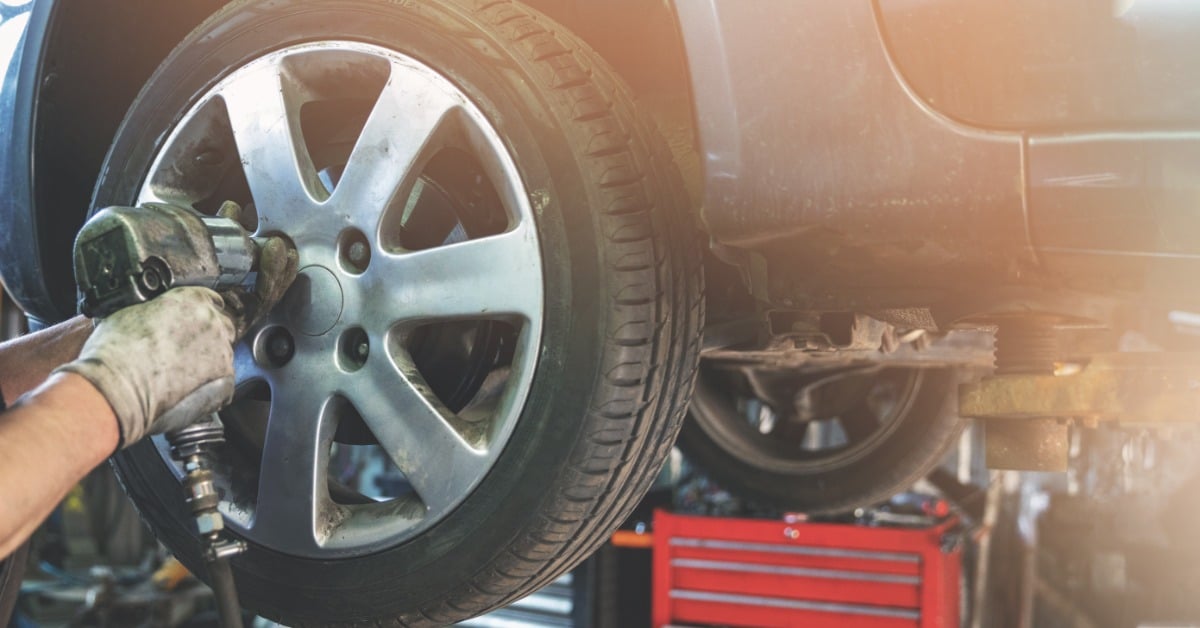
Patchy wear creates random smooth spots scattered across your tire's surface rather than following a consistent pattern. This irregular wear results from improper wheel balance or infrequent tire rotation. Unbalanced wheels cause vibrations that create localized wear spots, while failing to rotate your tires allows natural weight distribution differences to accelerate wear in specific areas.
Patchy wear can also develop due to aggressive driving habits, such as hard braking and rapid acceleration, especially when combined with poor maintenance. Correcting patchy wear requires balancing all four wheels with a professional wheel balancing machine, which adds small weights to counteract heavy spots.
Establish a regular tire rotation schedule, moving your tires every 5,000-7,000 miles or as recommended in your owner's manual. Common rotation patterns include front-to-back or crisscross methods, depending on whether you have directional or non-directional tires. Balancing your tires is an inexpensive service that greatly extends your tire life and keeps your ride smooth and comfortable.
When to Replace Your Tires Instead of Correcting Wear
While many tire wear patterns can be corrected, there’s a point where continued use becomes unsafe. Uneven wear that has significantly reduced tread depth in certain areas can’t be reversed, even if the underlying issue is fixed. This creates inconsistent traction, especially in wet or slippery conditions.
Use the penny test or a tread depth gauge to check your tires; anything below 2/32" is legally worn out, but replacement is often recommended at 4/32" for better stopping performance. Also look for warning signs like sidewall cracks, bulges, vibration that persists after balancing, or visible cords.
If one or two tires show severe wear while others are still in decent shape, it’s still worth replacing them in pairs or full sets depending on your drivetrain. Most importantly, always correct the root cause, whether it’s pressure, alignment, or balance, before installing new tires, or the same wear pattern will return prematurel
Protect Your Investment with Proper Tire Care
Recognizing and addressing tire wear patterns protects your safety and saves money over time. Regular inspections, proper inflation, routine rotations, and timely alignment checks keep your tires wearing evenly and performing optimally. By understanding these four common tire wear patterns and how to correct them, you have a better chance of identifying problems before they become expensive or dangerous.
At WheelerShip, we provide the quality parts and accessories you need to properly maintain your vehicle. Whether you need replacement tires, wheels, or brake systems, acting at the first signs of unusual wear keeps you rolling safely down the road.
Your tires connect your vehicle to the pavement. Don’t forget to visually inspect tread depth and look for embedded debris or damage during each car wash or oil change. Give them the attention they deserve, and they'll reward you with thousands of miles of reliable service.