
As a car owner, you always want to do everything possible to keep your vehicle in pristine condition. However, if you’ve owned your vehicle for long enough, you know that this is a battle you can’t win. While wear and tear is natural, understanding its causes can help you maintain your vehicle more effectively.
This is especially true when it comes to your brakes. Of course, brakes were made to be worn down, but depending on a variety of factors, this could happen faster than it needs to, leading to more frequent replacements and higher maintenance costs.
In order to avoid this issue, you need to be aware of the factors that affect wear on your car’s brake pads. This guide covers the factors with you so you can take the steps needed to ensure you get the most out of your brakes.
Low-quality Brake Pads
The best way to ensure that your brake pads last as long as possible is by buying the right kind in the first place. While it might be tempting to simply buy the cheapest set you can find and call it a day, this will lead to mediocre results.
Low-quality brakes simply can’t last as long as higher-quality ones, no matter what techniques you try to use to extend their life. That’s because they use organic materials that don’t hold up as well as ceramic and other high-quality options. On top of that, many cheaper brakes use less of this material to lower their overall price. That means you have less padding to start, resulting in the brake pads not lasting as long as premium options.
If you start with high-quality aftermarket brake pads, you won’t have to worry about them wearing out as quickly. While you’ll still need to take steps to ensure they don’t excessively wear out, high-quality brake pads stand the best chance of lasting the longest, saving you more money over the lifetime of your vehicle.
Brake System Malfunctions
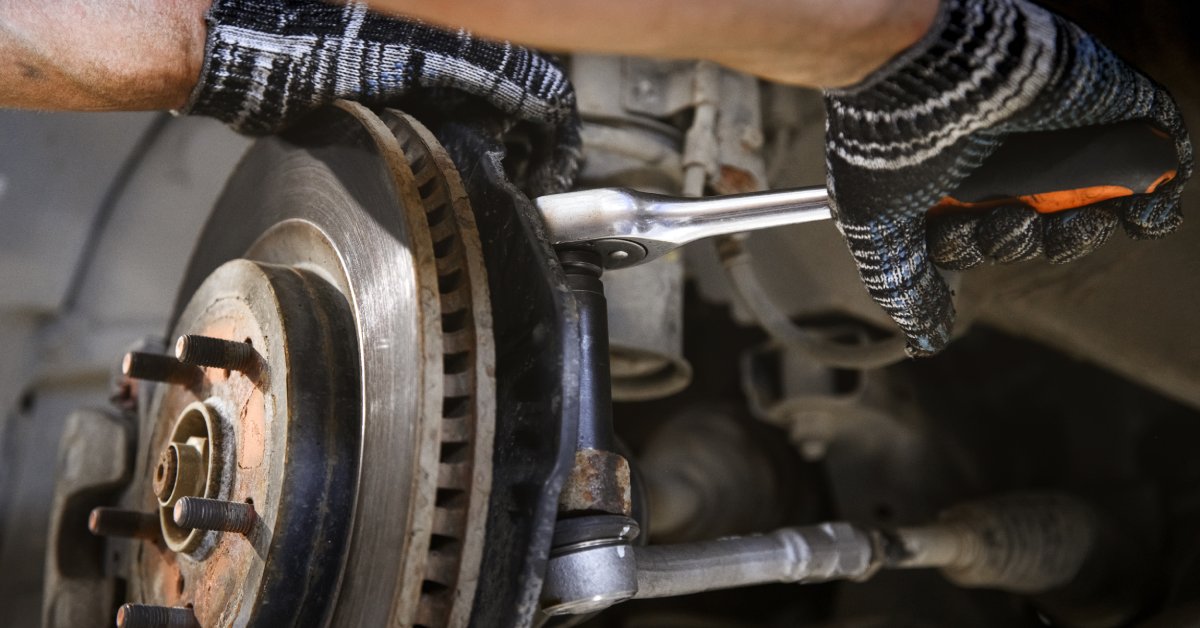
No matter the types of brakes you decide to buy, malfunctioning braking systems will wear pads out much quicker than normal. From dirty rotors to broken calipers, a malfunctioning system puts extra strain on your brakes to function properly, leading to additional wear and tear.
To make matters worse, if the malfunction causes your pads to misalign, they’ll wear out unevenly, which can cause them to lose their padding even quicker. Pay close attention to how your brakes feel when using them. If you notice shaking, noise, or less stopping power, it could be because there’s a problem. Fixing it as soon as possible helps extend the life of your brake pads.
Dirty Brake Lines
Another factor affecting brake pad longevity and performance is dirty brake lines. Brake lines can accumulate dirt and air bubbles over time if not properly taken care of. This can lead to brake ineffectiveness since the dirt and air stuck in the tubes will prevent your pads from being fully lubricated. When this happens, your brakes will grind more, leading to additional wear.
To avoid this, all you have to do is flush your brake lines every couple of years. Typically, a mechanic will do it for you during one of your oil changes, but it’s worth confirming with them. Knowing when your lines were last flushed allows you to maintain your braking system properly, ensuring smooth operation while driving.
Poor Wheel Alignment
For reasons similar to brake system malfunctions, poor wheel alignment also negatively affects the wear of your car’s brake pads. This is due to the fact that misaligned wheels won’t fit flush with your brakes, causing them to wear unevenly.
Check periodically to ensure your wheels are still aligned to help with this. Most mechanics have systems that can test your alignment, letting you know if your wheels are even slightly misaligned.
Problems With Tires
Another wheel-based issue that can affect your brakes is problems with your tires. This can range from your tires not having enough tread to them having uneven wear. The uneven wear affects them the same way a misaligned wheel does, but balding tires create a brand-new issue.
The less tread you have on your tires, the harder it will be for them to grip the road. This leads to more slipping and skidding on the road. Most of it goes unnoticed by the average driver, but you’ll see the results of it in your brakes.
That’s because your brakes will have to work harder to bring your vehicle to a stop since the tires aren’t helping as much as they should. Keeping an eye on your tread depths and buying new tires when they become too low will help your brakes last even longer.
Excessive Weight
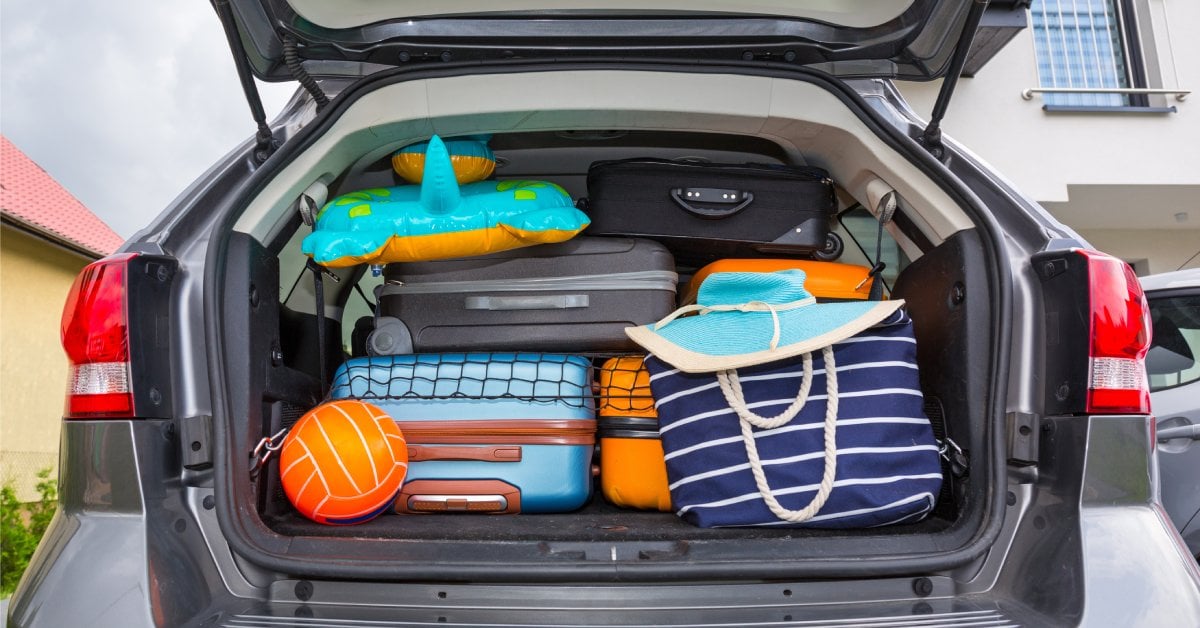
While not as big of a contributor, the weight of your car can impact how quickly your brakes wear out. That’s because the heavier your vehicle is, the more your brakes will have to work to slow it down.
Since you can’t lower the weight of your vehicle without removing critical components, you should try to be more mindful of what you put in it. For example, don’t use your car’s trunk as extended storage space for items that could remain in your home.
Also, don’t travel with a full car all the time. Making a quick trip on your own will noticeably reduce the stopping weight your brakes must manage, particularly during unexpected stops at traffic signals. These small adjustments add up to meaningful reductions in brake wear over time.
Bad Driving Habits
Among all the factors affecting brake pad wear, none are as impactful as your driving habits. While it’s always best to brake as hard as you can to avoid an accident, many instances of hard braking can be avoided by paying more attention while behind the wheel or giving more space to the car in front of you. Either way, the harder you brake, the worse it is for your brakes.
However, that doesn’t mean you should take things too easy. Light braking is also known to wear brakes out excessively. If you ride your brakes the second you see a stop sign up ahead, you’re actually wearing them down more than usual since the pads engage the rotor the entire time. To avoid this, try to find a happy middle ground. It’ll ensure you brake quickly enough to prevent accidents without engaging your brakes throughout half the drive to the restaurant.