
As cars get older, one thing that becomes inevitable is getting slight dents and bends on the metal. Whether someone opened their door a little too hard or you bumped into the car with a shopping cart, these blemishes are unpleasant but not the end of the world. However, this is a very different scenario if the dents and or bends are on the wheels.
That’s because the wheels are critical to the safety and functionality of a car. If they aren’t safe to drive on, you won’t be going anywhere. These issues will only cause more problems if left untreated.
While most people know they have to do something about dents and bends in their wheels, many are left to wonder if they’re safe to drive on. If this has been a burning question for you, you’re in luck. Read on to learn more.
Are Tire Dents and Bends Safe to Drive On?
This may be a simple question, but it doesn’t have a simple answer. In most cases, slight dents along the rim are okay to drive on temporarily, but aggressive bends are not. The more extreme the damage is, the more likely the rim will ruin a tire. This could lead to more extensive damage or even an accident.
That’s why many people say that if you’re ever in doubt, it’s best to avoid driving on a damaged rim. If you decide to drive on a rim that’s slightly dented, make sure you don’t do it for long; that small dent can quickly turn into a large bend with severe consequences.
Ideally, you should only drive on a slight bend if it’s so you can make it back home or to the nearest repair shop. When doing so, drive slowly and avoid aggressive acceleration.
If the rim is fully bent, stop driving immediately. Traveling on a bent rim will only make it worse and increase the risk of an accident. In these cases, it’s better to remove the wheel and have someone else drive you to your local repair shop.
The Difference Between Dents and Bends
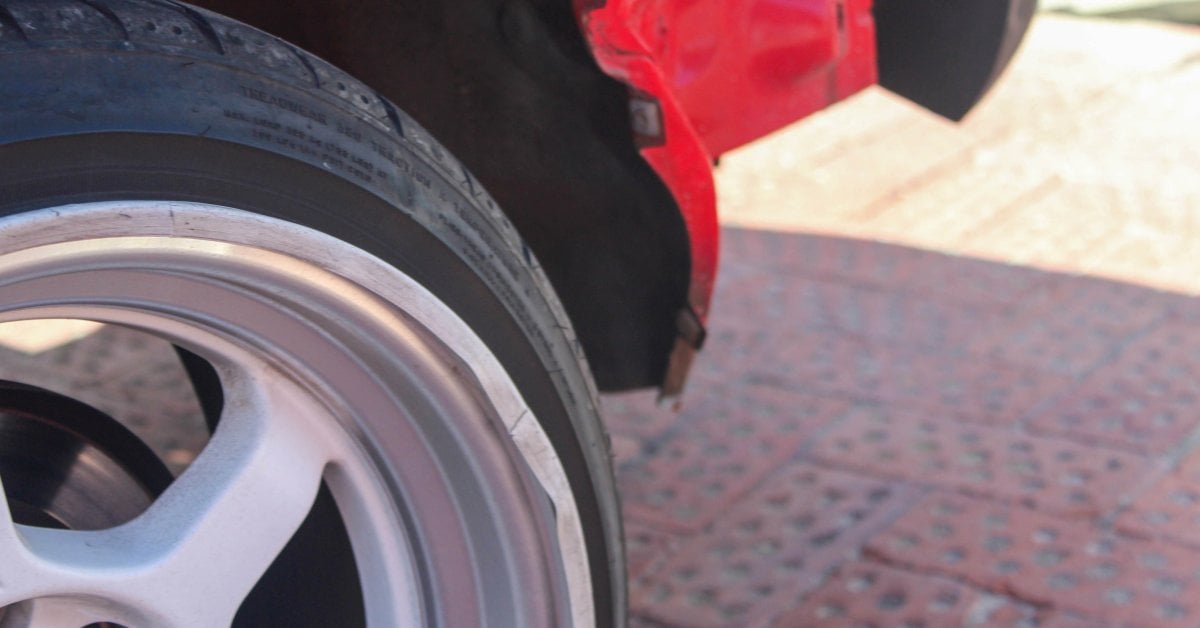
Since some dents are still drivable for short periods of time and larger bends aren’t, it’s important to be able to tell the difference between them. In most cases, dents are just slight bends along the exterior of the wheel. Some will run along the edge of the wheel, but if they don’t deform the rim too badly, they should be okay for now. Just keep a close eye on it.
Bends tend to change the shape of the wheel. Since wheels need to be round to function properly, any kind of bend will compromise their shape and operation. If there are any noticeable dips in the roundness of the wheel, stop driving immediately and get your rim to the nearest repair shop.
How to Know If Your Rims Are Dented or Bent
Even though dents and bends can be obvious, not all of them are easy to spot. Plus, if you’re someone who doesn’t check their wheels each time you drive, you could have a dent or bend and not even realize it.
Fortunately, there are other ways to tell if your wheels have either issue. While all of these could indicate that your rims are dented or bent, they could also be the cause of a variety of other problems. So, if you experience any of the following issues but don’t see any damage, you should still have your vehicle checked by a professional.
Noise and Vibration
Most cars experience some level of noise and vibration moving at high speeds. However, if you notice more than usual or still experience vibrations while traveling slowly, it could be a sign that your vehicle has bent rims.
Poor Handling
Smooth handling is crucial for driving safely. Unfortunately, a bent or dented rim can compromise your control. If you feel the car pulling to the side or swerving when it shouldn’t, you’ll want to check the rims for damage.
Uneven Tire Wear
If you walk past your car one day and notice that the tread on a tire is uneven, you might want to check out the wheel’s condition. Bent or dented rims can cause your wheel to become uneven, leading to irregular wear.
Loss of Tire Pressure
Perhaps the tire pressure light turns on unexpectedly. This could occur due to low tire pressure or a faulty sensor. Nevertheless, it’s always a good idea to examine each tire carefully for dents or bends. Large bends start to put pressure on the tire’s inner tube, which could force air out of it quicker than usual. If this is the case, the bend should be easy to spot. Stop driving right away if you see anything wrong.
How to Fix Dents and Bends in Your Wheel
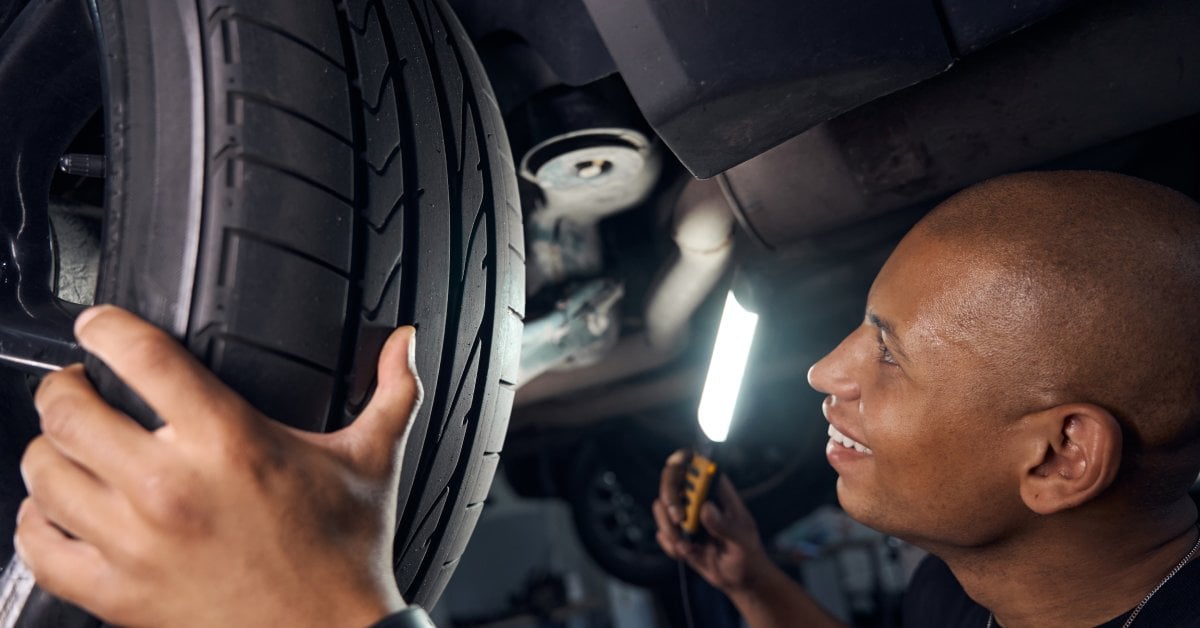
Now that you know if it’s safe to drive on a dented or bent wheel, it’s time to learn what you can do about this issue. It’s not advisable to tackle this issue on your own. That’s because the repair involves removing the wheel from the vehicle and the tire from the rim before you can even start trying to fix it. These are things that can lead to further car damage if you don’t know what you’re doing. That’s why it’s best to leave it to the professionals.
Car repair specialists will have the tools and knowledge necessary to handle a job like this. For them, most dents and bends will only take five to ten minutes to fix up. However, if the bends are a bit more extreme, it’ll take more time.
In some cases, the damage might be too much to do anything about. This is usually when cracks have formed in the wheel, or the structural integrity of the rim has become fully compromised. When this happens, your only option will be to replace the rim with an OE replacement, remanufactured, or new reproduction wheel.
Where to Get a New Rim
In the unfortunate situation that you need to buy a new rim, you’ve found the right place. WheelerShip has a wide variety of OEM wheels to choose from. All you have to do is find the one that matches your current set and confirm its compatibility using our compatibility checker. Then, we’ll send the order to you right away. Our products usually ship on the same day! Take the time to browse all of our car wheels and accessories to make sure you get exactly what you need to make your car drivable again.