
Nothing is more annoying than driving down the road and having a tire randomly give out on you. It’s always at the worst times, but fortunately, there’s a quick solution to fix your dilemma and go about your day: the tire plug.
With one of these filling up the newly formed hole, you can safely go about the rest of your day. But how long will something like that last? Well, in this post, we’ll talk about how long you can expect to drive on a plugged tire, as well as some other important info you should know about when it comes to this topic.
What Is a Tire Plug?
Before we get into the specifics of how long a tire plug will last, we first need to address what it is exactly. At its core, the tire plug is just a flexible, stick piece of rubber that you can stuff into a tire hole to plug it up, stopping any more air from escaping.
Putting one in is relatively easy as well. All you need is the sticky substance, the plug insertion tool, and a reamer for the tire. Once you’ve found the hole, use the reamer to clean out any excess rubber or dirt that’s still in the hole and widen it to fit the plug inside it.
Once everything is clear, put the plug material on the end of the insertion tool and shove it into the hole. Move it around to make sure it’s securely in place, then quickly pull the insertion tool out. If there is any excess, you can trim it down with a knife or razor. You’ll likely need to refill the tire with some air, but after that, you’ll be ready to go.
How Long Will Tire Plugs Last?
Theoretically, tire plugs can last for as long as the tire itself. However, most car professionals won’t recommend this. This is because the plug only fills the hole. It doesn’t cover the area well enough to be a permanent fix.
Because of this, it’s best to investigate better solutions as soon as possible. Plugs mainly exist so you don’t unexpectedly get stuck on the side of the road. While you might be able to get a few months out of a tire plug, if you prioritize your safety on the road, you should consider getting a tire patch instead.
What Is a Tire Patch?
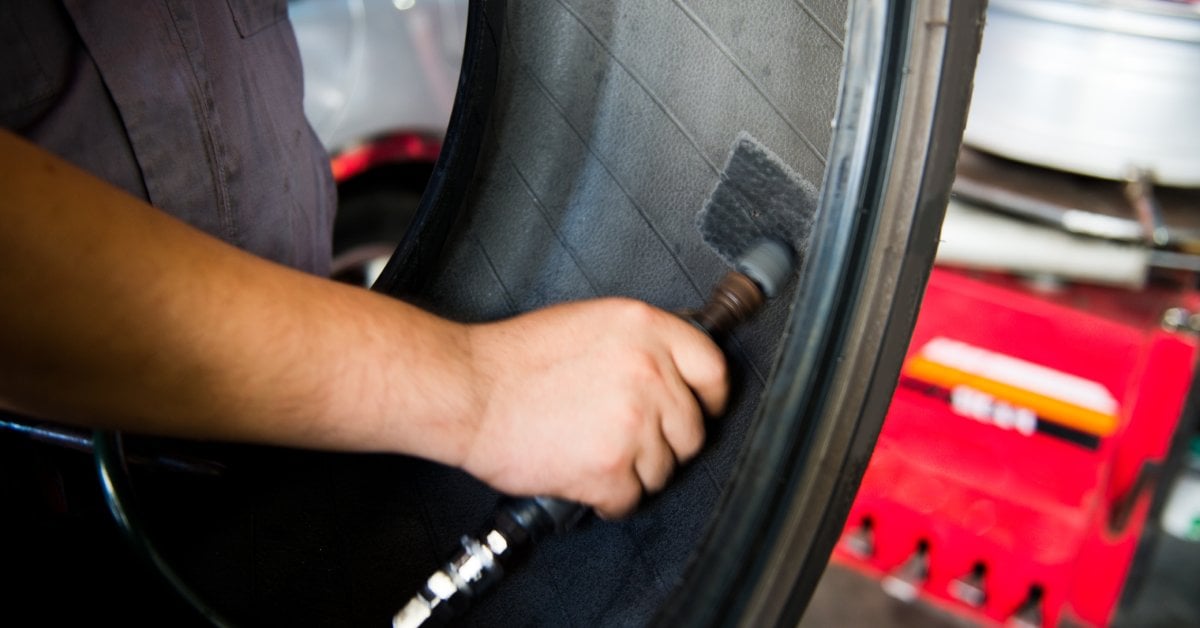
If you’re unfamiliar with tire patches, they’re fundamentally not so different from plugs. They plug up a hole well enough that your tire can hold air again. The main difference with patches is that they cover the hole from the inside of your tire.
This will allow the patch to adhere more securely than a plug, but it also means you’ll need a professional to install it for you. Fortunately, this process is relatively quick and easy. The mechanic has to dismount your tire from the rim and locate the hole. Once they clean it up and attach the patch, all they need to do is let it dry, and you’ll be good to go. This process is so easy, in fact, that many services will do it for free.
How Long Will Tire Patches Last?
Since they’re more secure than plugs, patches can last much more easily throughout the remainder of your tire’s lifespan. However, that doesn’t mean they’re a “forever” fix. If the patch wasn’t applied correctly or you damage that part of the wheel again, it could come loose. Most of the time, you can reapply the patch with no issue, but if this keeps happening, patchwork might no longer be the answer.
One important thing to remember about tire plugs and patches is that you can’t always use them. If the puncture is on the sidewall or if the tire has had multiple punctures in the same area, you’ll need to replace your damaged car tire with a new one. WheelerShip can help you there.
What Happens If Plugs or Patches Fail?
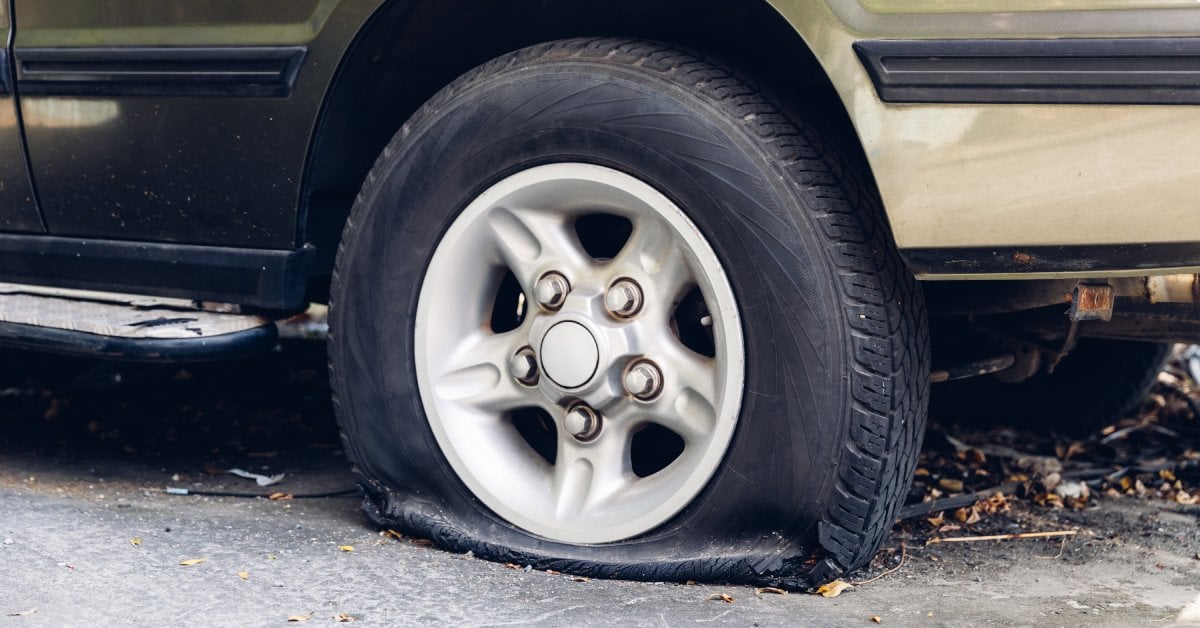
Since it’s perfectly reasonable for you to drive on a plugged or patched tire for a while before you potentially replace the tire, you should be aware of what could happen if you do. As previously mentioned, you can reasonably expect to drive on your punctured tire for as long as your non-punctured ones as long as you plugged or patched it correctly. If you decide to do this, you should make a habit of checking on it regularly. If you notice that the plug or patch isn’t holding as well as it used to, you might need to reapply it or make the call to buy a new tire.
Still, even if you check in on it regularly, there’s always the possibility that the hole reopens when you’re out and about. In many cases, the plug or patch will only reopen a little bit. This will slowly let out air, and before you know it, your tire will be flat again.
However, in more extreme cases, the plug or patch could open more suddenly, leading to a blowout. Due to the severity of a potential blowout, some people might feel safer with a new set of tires, but if your plug or patch reopens in such a manner, it’ll likely ruin the tire anyway.
If you’re ever unsure if a plug or patch job will be good enough for your tire, don’t hesitate to reach out to a trusted mechanic to get their opinion. Answers you find on the internet range so widely because no two punctures are the same. While one might hold with a plug until the end of time, another might not last two weeks with a proper patch job. A trained professional will be able to give you a more informed opinion on whether they think your tire will last much longer in its current condition.
What Other Options Do You Have?
When plugs and patches fail or when they aren’t options to begin with, the only choice left is to buy a new tire. At the end of the day, this is the safest option, but it’s understandable why people would want to delay this initially.
If you want to replace your punctured tire with something that’ll last, shop with us here at WheelerShip. We have a wide variety of car and truck tires available on our site, so you should be able to find something that will work well with your existing tires.